
Availability
available
Original Title
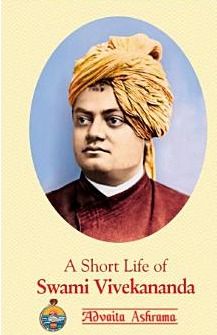
A Short Life of Swami Vivekananda
Subject & College
Publish Date
2016-12-23
Published Year
2016
Publisher, Place
Total Pages
83
ISBN
978-81-7505-030-3
ISBN 13
978-81-7505-030-3
Format
Paperback
Country
India
Language
English
Readers Feedback
A Short Life of Swami Vivekananda
During his last illness, when Sri Ramakrishna could not talk, he wrote on a piece of paper that Swami Vivekananda (then known as Narendra Nath)...Read More

Dr.Rupali M. Phule
A Short Life of Swami Vivekananda
During his last illness, when Sri Ramakrishna could not talk, he wrote on a piece of paper that Swami Vivekananda (then known as Narendra Nath) should have to work for the good of humanity. But Swami Vivekananda did not relish this idea, since he was yearning to remain absorbed in meditation and enjoy perennial Bliss. Sri Ramakrishna then remarked that if Swami Vivekananda would not willingly plunge into work, the Divine Mother would force him to do it. Afterwards, when Swami Vivekananda was in the ceaseless turmoil of work, moving like a meteor from the East to the West, and the West to the East, he used to say, ‘Something has possessed me and is giving me no rest.’ The period of his active work was short, but posterity will some day be able to assess at its true value all that he has done for his motherland as well as for the world.
Meantime, one is concerned with the fact that the life and message of Swami Vivekananda are a source of great inspiration to many in their individual as well as collective life. His words give courage to a drooping soul, his message sings new hope for a sinking nation. Swami Vivekananda was the embodiment of strength, and if all his teachings were to be summed up in one word, that word would be Strength – a dynamic strength. It is for the want of strength that individuals fail in life. Nations suffer, and the world is in torment. As such, the number of persons who are eager to know about Swami Vivekananda or are likely to be benefited by his message is legion.
The present short biography is intended to meet the needs of those who, with all their earnestness to read longer works about the Swami. A versatile genius as Swami Vivekananda was, and many-sided as were his activities, it is idle to hope or to expect that a complete picture of that mighty soul could be given in such a small compass. The attempt is here made only to give a glimpse, so that people may become interested to know more about him.
In preparing this book, we have utilized the materials found in the Advaita Ashrama publications about Swami Vivekananda. The present book is companion volume to A Short Life of Sri Ramakrishna.
Dr.Rupali M. Phule
Must Read Excellent biography of a great Soul Swami Vivekanand
A Short Life of Swami Vivekananda," authored by Swami Tejasananda, presents a concise yet profound exploration of the life and teachings of one of India's...Read More

Dr. Rakesh Suram
Must Read Excellent biography of a great Soul Swami Vivekanand
A Short Life of Swami Vivekananda,” authored by Swami Tejasananda, presents a concise yet profound exploration of the life and teachings of one of India’s most revered spiritual leaders. This biography is particularly appealing for readers who seek an introduction to Vivekananda’s philosophy and contributions without delving into extensive literature.
Overview
The book is structured to provide a succinct narrative of Swami Vivekananda’s life, from his early years as Narendra Nath Datta in a distinguished Bengali family to his ascension as a global spiritual figure. Born in 1863, Vivekananda’s journey was marked by a deep spiritual quest and an unwavering commitment to social upliftment. The author effectively captures the essence of Vivekananda’s character, emphasizing his belief that spirituality must translate into social action, particularly in alleviating poverty and suffering.
Key Themes:
Spirituality and Social Responsibility
One of the central themes of the book is Vivekananda’s integration of spirituality with social responsibility. He believed that true religion should address the needs of the poor and marginalized. This perspective sets him apart from many ascetic traditions that prioritize solitude over community engagement. Swami Tejasananda illustrates how Vivekananda’s teachings encouraged individuals to seek enlightenment while actively participating in societal betterment
Global Influence:
Vivekananda gained international recognition at the 1893 Parliament of World Religions in Chicago, where he eloquently represented Hinduism and advocated for religious tolerance and unity. This pivotal moment not only established him as a prominent figure in the West but also laid the foundation for the global spread of Vedanta and Yoga. The book details this significant event, highlighting how his articulate defense of Hindu philosophy captivated audiences and fostered a greater understanding of Eastern spirituality.
Philosophy of Strength:
Swami Vivekananda’s philosophy can be encapsulated in the concept of strength—both personal and collective. He emphasized that strength is essential for overcoming life’s challenges and for nations to thrive. The author adeptly conveys how Vivekananda’s teachings inspire individuals to cultivate inner strength, which he viewed as crucial for personal development and national progress.
Writing Style:
Swami Tejasananda employs a clear and accessible writing style, making complex ideas understandable for readers unfamiliar with philosophical discourse. The narrative is engaging, with anecdotes from Vivekananda’s life that illustrate his principles in action. While some readers might find the text somewhat repetitive at times, it serves to reinforce key messages about Vivekananda’s life and teachings
Limitations:
Despite its strengths, “A Short Life of Swami Vivekananda” has limitations. The brevity of the book means that it does not delve deeply into the nuances of Vivekananda’s spiritual practices or the complexities of his philosophical ideas. Readers seeking a comprehensive analysis may find this work lacking in detail. However, it is important to note that the book is designed as an introductory text, catering to those who may not have the time or inclination to engage with more extensive biographies.
Conclusion:
In conclusion, “A Short Life of Swami Vivekananda” by Swami Tejasananda is a commendable effort to encapsulate the essence of a remarkable life within a compact format. It serves as an excellent primer for anyone interested in understanding Swami Vivekananda’s contributions to spirituality and social reform. The narrative inspires readers to explore further into his teachings and legacy, making it a valuable addition to both personal libraries and educational settings. For those looking to gain insight into one of India’s most influential figures without wading through lengthy texts, this biography is highly recommendable. It not only honors Vivekananda’s memory but also invites readers to reflect on their own lives in light of his enduring message: that true spirituality must manifest in service to humanity.