
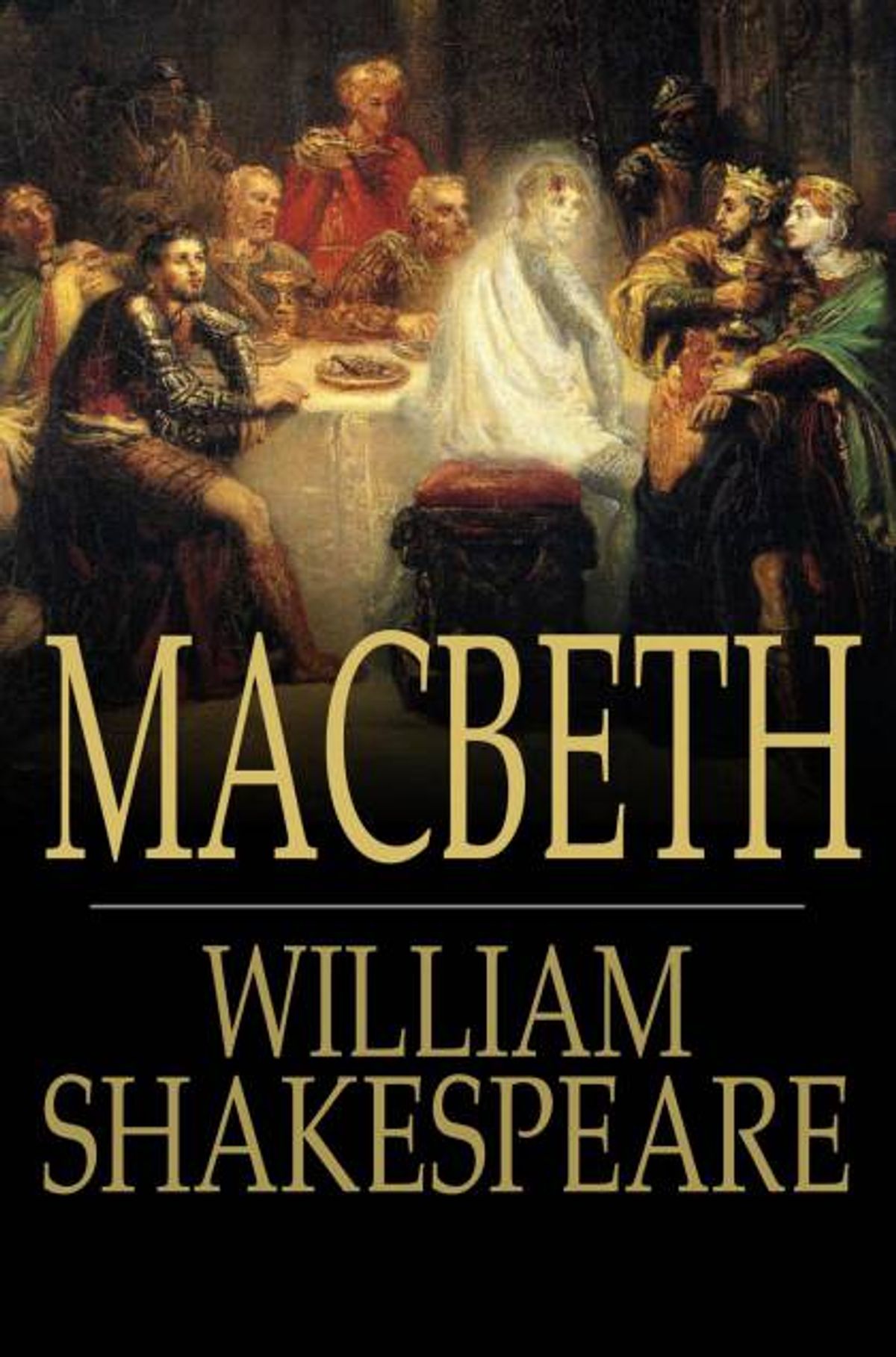
Original Title
Macbeth
Subject & College
Format
Paperback
Language
English
Readers Feedback
Macbeth
William Shakespeare’s Macbeth is one of the most celebrated tragedies in English literature, exploring themes of ambition, fate, power, and guilt. Written in the early...Read More

Ansari Saifurraheman Naveed Ahmed
Macbeth
William Shakespeare’s Macbeth is one of the most celebrated tragedies in English literature, exploring themes of ambition, fate, power, and guilt. Written in the early 17th century, the play tells the gripping story of Macbeth, a Scottish nobleman whose unchecked ambition leads him to commit heinous crimes, ultimately leading to his downfall. With its complex characters, poetic language, and intense dramatic structure, Macbeth remains a timeless masterpiece that continues to captivate readers and audiences worldwide.
The play begins with three witches prophesying that Macbeth, a brave and loyal general in King Duncan’s army, will one day become the King of Scotland. This prediction ignites Macbeth’s ambition, which is further fueled by his wife, Lady Macbeth, who manipulates and persuades him to seize the throne by murdering King Duncan. Once Macbeth commits the regicide, he finds himself trapped in a cycle of paranoia, guilt, and violence. As he eliminates anyone who threatens his position, including his loyal friend Banquo and the innocent Macduff family, he becomes increasingly isolated and tyrannical. His reign is marked by fear and instability, ultimately leading to his demise at the hands of Macduff, a nobleman seeking justice for his slain family.
One of the most compelling aspects of Macbeth is its exploration of human psychology. Macbeth’s transformation from a noble and valiant warrior to a ruthless and guilt-ridden tyrant is both tragic and thought-provoking. His internal conflict is vividly portrayed through Shakespeare’s use of soliloquies, which reveal his doubts, fears, and growing sense of despair. Lady Macbeth, initially depicted as a strong and ambitious woman, also undergoes a dramatic transformation. Her descent into madness, marked by the famous sleepwalking scene in which she tries to wash imaginary blood from her hands, highlights the psychological consequences of unchecked ambition and guilt.
Shakespeare’s use of supernatural elements adds an eerie and mysterious tone to the play. The witches, with their cryptic prophecies and ominous presence, serve as catalysts for Macbeth’s downfall. Their ambiguous statements create a sense of inevitability, making the audience question whether Macbeth is a victim of fate or if he has the free will to change his destiny. Additionally, the recurring motif of blood symbolizes guilt and the irreversible nature of Macbeth’s crimes, reinforcing the play’s tragic themes.
Another remarkable aspect of Macbeth is its rich and poetic language. Shakespeare’s mastery of imagery and symbolism enhances the play’s dramatic impact. Lines such as “”Fair is foul, and foul is fair”” and “”Out, damned spot!”” have become some of the most iconic in literary history. The rhythm and structure of Shakespearean verse add to the intensity of the characters’ emotions, making the play a powerful experience both on stage and in written form.
In conclusion, Macbeth is a timeless tragedy that explores the dark side of human ambition and the consequences of moral corruption. Shakespeare’s brilliant characterization, compelling themes, and masterful use of language make this play a cornerstone of world literature. Its enduring relevance speaks to the universal nature of its themes, reminding readers and audiences of the dangers of unchecked power and the devastating effects of guilt and paranoia. Whether read as a literary masterpiece or experienced as a gripping theatrical performance, Macbeth remains one of Shakespeare’s most profound and enduring works.
Ansari Saifurraheman Naveed Ahmed
Macbeth
About the Book Macbeth is one of William Shakespeare’s most celebrated tragedies, written around 1606. The play explores timeless themes such as ambition, guilt, power,...Read More

MOMIN IQRA AAFREEN ABDUL HAFEEZ
Macbeth
About the Book
Macbeth is one of William Shakespeare’s most celebrated tragedies, written around 1606. The play explores timeless themes such as ambition, guilt, power, and the supernatural, making it relevant even centuries after its creation. This dark and gripping tale continues to captivate audiences and readers worldwide.
About the Author
William Shakespeare (1564–1616), often called the Bard of Avon, is regarded as one of the greatest playwrights and poets in the English language. His works include 39 plays, 154 sonnets, and two long narrative poems. Shakespeare’s influence on literature, language, and theater is unmatched, with works like Hamlet, Romeo and Juliet, and Macbeth cementing his legacy.
Introduction of the Book
Macbeth is a tragedy that delves into the psychological and moral consequences of unchecked ambition. The play follows the descent of Macbeth, a brave Scottish general, who becomes consumed by his desire for power. Prophecies from three witches and the manipulation of his ambitious wife, Lady Macbeth, set the stage for his eventual downfall.
Summary
The story begins with Macbeth, a valiant warrior, receiving a prophecy from three witches that he will become the King of Scotland. Encouraged by Lady Macbeth, he murders King Duncan to claim the throne. However, his reign is marked by paranoia and guilt. Macbeth spirals into tyranny, ordering the deaths of those he perceives as threats, including his friend Banquo and the family of Macduff, a nobleman.
Haunted by guilt, Lady Macbeth descends into madness and dies. Macbeth, increasingly isolated, faces an uprising led by Macduff and Malcolm, Duncan’s son. In a climactic battle, Macbeth is slain by Macduff, and Malcolm is restored to the throne, bringing the chaos to an end.
Main Characters
Macbeth: A complex character torn between ambition and morality. His transformation from a loyal soldier to a tyrannical ruler is the play’s focus.
Lady Macbeth: A powerful and ambitious woman who initially drives Macbeth’s actions but later succumbs to guilt and madness.
The Witches: Mysterious figures who set the events in motion with their prophecy.
Macduff: A nobleman who represents justice and plays a key role in defeating Macbeth.
Analysis
Macbeth examines the destructive nature of ambition and the moral consequences of unethical actions. Shakespeare’s use of vivid imagery and soliloquies allows readers to delve into Macbeth’s mind, making his internal conflict relatable. The themes of power, fate, and free will challenge audiences to reflect on their own choices. The supernatural elements, like the witches and visions, add an eerie dimension, symbolizing the darker forces influencing human behavior.
Personal Reflection
Reading Macbeth was a profound experience. The play’s exploration of human nature and moral dilemmas resonates deeply. I was particularly drawn to Macbeth’s soliloquies, which reveal his inner turmoil and conflicting emotions. Lady Macbeth’s character arc, from strength to fragility, is equally compelling.
Why I Like This Book
I appreciate Macbeth for its timeless relevance and the way it portrays human ambition and vulnerability. The poetic language, dramatic tension, and psychological depth make it an unforgettable read. The play teaches valuable lessons about the consequences of unchecked ambition and the importance of moral integrity.
—”
MOMIN IQRA AAFREEN ABDUL HAFEEZ
Most celebrated tragedies in English literature
William Shakespeare’s Macbeth is one of the most celebrated tragedies in English literature, exploring themes of ambition, fate, power, and guilt. Written in the early...Read More
Ansari Saifurraheman Naveed Ahmed
Most celebrated tragedies in English literature
William Shakespeare’s Macbeth is one of the most celebrated tragedies in English literature, exploring themes of ambition, fate, power, and guilt. Written in the early 17th century, the play tells the gripping story of Macbeth, a Scottish nobleman whose unchecked ambition leads him to commit heinous crimes, ultimately leading to his downfall. With its complex characters, poetic language, and intense dramatic structure, Macbeth remains a timeless masterpiece that continues to captivate readers and audiences worldwide.
The play begins with three witches prophesying that Macbeth, a brave and loyal general in King Duncan’s army, will one day become the King of Scotland. This prediction ignites Macbeth’s ambition, which is further fueled by his wife, Lady Macbeth, who manipulates and persuades him to seize the throne by murdering King Duncan. Once Macbeth commits the regicide, he finds himself trapped in a cycle of paranoia, guilt, and violence. As he eliminates anyone who threatens his position, including his loyal friend Banquo and the innocent Macduff family, he becomes increasingly isolated and tyrannical. His reign is marked by fear and instability, ultimately leading to his demise at the hands of Macduff, a nobleman seeking justice for his slain family.
One of the most compelling aspects of Macbeth is its exploration of human psychology. Macbeth’s transformation from a noble and valiant warrior to a ruthless and guilt-ridden tyrant is both tragic and thought-provoking. His internal conflict is vividly portrayed through Shakespeare’s use of soliloquies, which reveal his doubts, fears, and growing sense of despair. Lady Macbeth, initially depicted as a strong and ambitious woman, also undergoes a dramatic transformation. Her descent into madness, marked by the famous sleepwalking scene in which she tries to wash imaginary blood from her hands, highlights the psychological consequences of unchecked ambition and guilt.
Shakespeare’s use of supernatural elements adds an eerie and mysterious tone to the play. The witches, with their cryptic prophecies and ominous presence, serve as catalysts for Macbeth’s downfall. Their ambiguous statements create a sense of inevitability, making the audience question whether Macbeth is a victim of fate or if he has the free will to change his destiny. Additionally, the recurring motif of blood symbolizes guilt and the irreversible nature of Macbeth’s crimes, reinforcing the play’s tragic themes.
Another remarkable aspect of Macbeth is its rich and poetic language. Shakespeare’s mastery of imagery and symbolism enhances the play’s dramatic impact. Lines such as “”Fair is foul, and foul is fair”” and “”Out, damned spot!”” have become some of the most iconic in literary history. The rhythm and structure of Shakespearean verse add to the intensity of the characters’ emotions, making the play a powerful experience both on stage and in written form.
In conclusion, Macbeth is a timeless tragedy that explores the dark side of human ambition and the consequences of moral corruption. Shakespeare’s brilliant characterization, compelling themes, and masterful use of language make this play a cornerstone of world literature. Its enduring relevance speaks to the universal nature of its themes, reminding readers and audiences of the dangers of unchecked power and the devastating effects of guilt and paranoia. Whether read as a literary masterpiece or experienced as a gripping theatrical performance, Macbeth remains one of Shakespeare’s most profound and enduring works.