
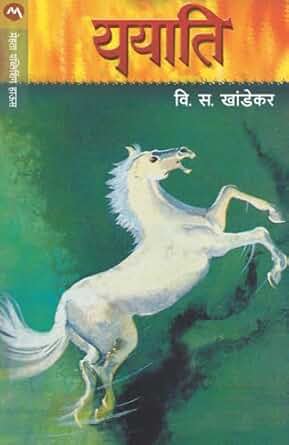
Yayati
By वि स खांडेकर
Yayati centres on the life of its eponymous hero, Yayati, the king
of Hastinapur. Disillusionment characterises Yayati's early life. His
faith in motherly love is shattered when he learns that his mother
weaned him for fear of losing her beauty. Later, he experiences
cruelty and passion that challenge his manhood. He then has a
fleeting experience of carnal love.
When Yayati has to leave the security of the palace for
Ashvamedha Yajna (a horse sacrifice ritual in Hindu tradition), he
meets his elder brother, Yati, who has become an ascetic and
abandoned all material pleasures. After this he meets Kacha, in
whom he sees the model of a happy, peaceful life. But Yayati is
traumatised when his father, Nahusha, dies, and for the first time
he realises the destructive power of death. He is gripped by fear
and helplessness. In this state of mind, he encounters Mukulika, a
maidservant in the palace. Yayati's attempts to bury his grief in
carnal pleasure constitute a critical period in his life. He later
meets Alaka and experiences sisterly love. But Alaka ultimately
falls prey to the Queen Mother's cruelty. Precisely at this time,
Yayati learns of a curse that foretold that his father, and his
father's children, would never be happy.
The second part of the narrative recounts Yayati's married life.
This section reveals Devayani's love for Kacha, and Kacha's quiet
but firm refusal. Devayani seeks revenge on Kacha by making
advances to Yayati, whom she ultimately succeeds in marrying.
Sharmishtha, originally a princess, is now living with Devayani as
her maidservant. At this time, Sharmishtha comes into contact
with Yayati. Where Devayani is unable to establish any rapport
with Yayati, Sharmishtha finds union with him both in body and in
mind. A son is born to them, and for a time Yayati is happy. But,
one stormy night, Sharmishtha runs away from Hastinapur. Yayati
now suffers both estrangement from Devayani and the loss of
Sharmishtha. The resulting vacuum in his life hastens him along a
path of moral degradation.
Over an 18-year period, Yayati neglects his royal duties and leads
a life of pleasure, with women like Madhavi and Taraka. Even
when Hastinapur is attacked by its enemies, Yayati continues to
neglect his duties out of anger with Devayani and pursuit of a
hedonistic lifestyle. His son Yadu is imprisoned. Puru, Yayati's
younger son, secures Yadu's release. Then Devayani's father,
Shukracharya, seeing his daughter's unhappy marriage and
Yayati's degradation, lays a curse of old age on Yayati.
When Yayati finds himself suddenly grown old, his unfulfilled
desires trouble him. He asks his sons to lend him their youth. His
son Puru comes to his aid and meets his request. But Puru and
Sharmishtha's undemanding love for him help Yayati to realise his
mistakes. Within a few minutes of accepting Puru's youth, he
resolves to return it. Devayani also undergoes a change of heart.
At the end of the novel, Yayati hands over responsibility for
government to Puru with his blessing, and seeks to retire to a life
in the forest with Devayani and Sharmishtha. This completes
Yayati's journey from attachment to detachment.
Yayati centres on the life of its eponymous hero, Yayati, the king
of Hastinapur. Disillusionment characterises Yayati's early life. His
faith in motherly love is shattered when he learns that his mother
weaned him for fear of losing her beauty. Later, he experiences
cruelty and passion that challenge his manhood. He then has a
fleeting experience of carnal love.
When Yayati has to leave the security of the palace for
Ashvamedha Yajna (a horse sacrifice ritual in Hindu tradition), he
meets his elder brother, Yati, who has become an ascetic and
abandoned all material pleasures. After this he meets Kacha, in
whom he sees the model of a happy, peaceful life. But Yayati is
traumatised when his father, Nahusha, dies, and for the first time
he realises the destructive power of death. He is gripped by fear
and helplessness. In this state of mind, he encounters Mukulika, a
maidservant in the palace. Yayati's attempts to bury his grief in
carnal pleasure constitute a critical period in his life. He later
meets Alaka and experiences sisterly love. But Alaka ultimately
falls prey to the Queen Mother's cruelty. Precisely at this time,
Yayati learns of a curse that foretold that his father, and his
father's children, would never be happy.
The second part of the narrative recounts Yayati's married life.
This section reveals Devayani's love for Kacha, and Kacha's quiet
but firm refusal. Devayani seeks revenge on Kacha by making
advances to Yayati, whom she ultimately succeeds in marrying.
Sharmishtha, originally a princess, is now living with Devayani as
her maidservant. At this time, Sharmishtha comes into contact
with Yayati. Where Devayani is unable to establish any rapport
with Yayati, Sharmishtha finds union with him both in body and in
mind. A son is born to them, and for a time Yayati is happy. But,
one stormy night, Sharmishtha runs away from Hastinapur. Yayati
now suffers both estrangement from Devayani and the loss of
Sharmishtha. The resulting vacuum in his life hastens him along a
path of moral degradation.
Over an 18-year period, Yayati neglects his royal duties and leads
a life of pleasure, with women like Madhavi and Taraka. Even
when Hastinapur is attacked by its enemies, Yayati continues to
neglect his duties out of anger with Devayani and pursuit of a
hedonistic lifestyle. His son Yadu is imprisoned. Puru, Yayati's
younger son, secures Yadu's release. Then Devayani's father,
Shukracharya, seeing his daughter's unhappy marriage and
Yayati's degradation, lays a curse of old age on Yayati.
When Yayati finds himself suddenly grown old, his unfulfilled
desires trouble him. He asks his sons to lend him their youth. His
son Puru comes to his aid and meets his request. But Puru and
Sharmishtha's undemanding love for him help Yayati to realise his
mistakes. Within a few minutes of accepting Puru's youth, he
resolves to return it. Devayani also undergoes a change of heart.
At the end of the novel, Yayati hands over responsibility for
government to Puru with his blessing, and seeks to retire to a life
in the forest with Devayani and Sharmishtha. This completes
Yayati's journey from attachment to detachment.
Availability
available
Original Title
Yayati
Subject & College
Series
Publish Date
1959-01-01
Published Year
1959
Publisher, Place
Total Pages
432
ISBN
9788170281979
Format
Hardcover
Country
India
Language
Marathi
Average Ratings
Readers Feedback
YayatithestoryofGreed,Selfness,SacrificesandJourneyofHuman Life .
Gavali Madhav Yogiraj (Student) Yayati byV.S. Khandekar is a celebrated Marathi novel based on the story of King Yayati from the Mahabharata,one of the mostintriguing...Read More

Gavali Madhav Yogiraj
YayatithestoryofGreed,Selfness,SacrificesandJourneyofHuman Life .
Gavali Madhav Yogiraj (Student)
Yayati byV.S. Khandekar is a celebrated Marathi novel based on the story of King Yayati from the Mahabharata,one of the mostintriguing and morally complex characters in the epic.The novel delves into the themes of desire, aging, and the pursuit of immortality, exploring the human condition with great depth and sensitivity.
Inthenovel,KhandekarpresentsKingYayati’sstoryasadeeply
philosophicalexplorationoftheconsequencesofone’sactions.Yayatiis granted a boon by the gods that allows him to exchange his old age for the youth of one of his sons. However, despite enjoying a life of eternal youth,Yayati’s insatiable desire for more—more power, more pleasure, andmoretime—leadshimtomakechoicesthatresultindeepemotional and moral turmoil. His complex relationships with his sons, especially with Puru, whom he chooses to give his youth, form the core of the narrative.
The novel emphasizes the destructive nature of unchecked desires, showing how Yayati’s selfishness ultimately causes him to face tragic consequences.ThroughYayati’s internal struggle, Khandekar explores profound philosophical questions about thenature of life, time, and the inevitability of aging and death.The author uses the character of Yayati
to reflect on the futility of see king eternal youth and the fleeting nature of human existence.
Khandekar’s writing is rich, evocative, and poignant. His narrative style is introspective,weaving together psychological depth with philosophical musings, which makes the novel a deeply reflective read. The themes of sacrifice, duty, and the acceptance of life’s impermanence are woven into the story with great care, and the novel offers a timeless meditation on the human pursuit of happiness and fulfillment.
Yayati is considered a classic of Marathi literature for its philosophical depth, its exploration of moral dilemmas, and its rich, poetic prose. It is an introspective and thought-provoking work that raises important questions about the nature of human desires,the passage of time,and the consequences of one’s choices. For readers interested in philosophy, mythology, and the human experience, Yayati is a profound and rewarding read.
Gavali Madhav Yogiraj
ययाती
Book Review: Pawar Dhanashri Nandlal, Third Year B Pharmacy, Divine College of Pharmacy Satana वि. स. खांडेकर लिखित "ययाती" ही मराठी साहित्यातील एक कालजयी कादंबरी...Read More

Pawar Dhanashri Nandlal
ययाती
Book Review: Pawar Dhanashri Nandlal, Third Year B Pharmacy,
Divine College of Pharmacy Satana
वि. स. खांडेकर लिखित “ययाती” ही मराठी साहित्यातील एक कालजयी कादंबरी असून तिला 1960 मध्ये ज्ञानपीठ पुरस्कार मिळाला आहे. ही कादंबरी महाभारतातील ययाती या राजाच्या पौराणिक कथेला केंद्रस्थानी ठेवते, पण तिची शिकवण आजच्या समाजालाही तितकीच लागू पडते. ययाती हा प्रतापी, बुद्धिमान आणि यशस्वी राजा असतो, पण तो वासनेच्या आहारी जातो. त्याचा विवाह असुरगुरु शुक्राचार्यांची कन्या देवयानी हिच्यासोबत होतो, पण नंतर तो तिच्या दासी असलेल्या शर्मिष्ठा वर प्रेम करतो आणि तिच्यासोबत अनैतिक संबंध प्रस्थापित करतो. जेव्हा हे सत्य समोर येते, तेव्हा देवयानी रागाने आपल्या वडिलांकडे तक्रार करते. शुक्राचार्य ययातीला वृद्धत्वाचा शाप देतात. वृद्धत्व स्वीकारायला तयार नसलेला ययाती आपल्या मुलांकडे विनंती करतो की, त्यातील कोणी त्याला तारुण्य देईल का? त्याचा मुलगा पुरु हा आपल्या वडिलांसाठी स्वतःचे तारुण्य देतो आणि ययाती पुन्हा तारुण्यसंपन्न होतो. त्यानंतर ययाती अनेक वर्षे ऐहिक सुख उपभोगतो, पण अखेरीस त्याला समजते की, वासनेला तृप्ती नाही, ती अधिकच वाढत जाते. हा अनुभव घेतल्यानंतर तो राज्य आणि ऐहिक सुखांचा त्याग करून वनात निघून जातो. कादंबरीत ययातीच्या वासनेने ग्रस्त जीवनाचा तसेच स्त्रियांशी असलेल्या संबंधाचा खोलवर विचार करण्यात आला आहे. देवयानी ही स्वाभिमानी, अहंकारी आणि सुशिक्षित स्त्री आहे, तर शर्मिष्ठा ही दासी असूनही धैर्यवान, प्रेमळ आणि त्यागी आहे. या दोन स्त्रियांचे संघर्षमय जीवन आणि ययातीशी असलेले संबंध कादंबरीच्या केंद्रस्थानी आहेत. ययातीच्या वर्तनावरून पुरुषी मानसिकतेची एक प्रतिमा उभी राहते, जिथे स्वतःच्या इच्छांसाठी तो स्त्रियांचे शोषण करतो. पण शेवटी, त्याला स्वतःच्या चुकीची जाणीव होते आणि त्यातून तो मुक्त होण्याचा प्रयत्न करतो. कादंबरीचे प्रमुख संदेश म्हणजे “वासनेला अंत नाही”, “खरे सुख मनात असते”, “कर्तव्य आणि त्याग यशस्वी जीवनाचे खरे गमक आहे.” खांडेकरांची लेखनशैली अत्यंत प्रवाही आणि ओघवती आहे. त्यांनी मानवी मनाच्या गुंतागुंतीच्या भावना फार सुंदररीत्या मांडल्या आहेत. संवादांमधून प्रत्येक पात्राचा स्वभाव स्पष्ट होतो. ययाती ही केवळ पौराणिक कथा नसून ती मानवी जीवनातील अतृप्ती, वासना, कर्तव्य आणि त्याग यांचा मनोवेधक वेध घेते. ही कादंबरी आजच्या काळातही तितकीच महत्त्वाची आहे, कारण ती आपल्याला शिकवते की सुख भौतिक गोष्टींमध्ये नसते, तर मनाच्या संतोषात असते. त्यामुळे ही कादंबरी मराठी साहित्याच्या सुवर्णपानांवर अजरामर ठरली आहे.
Pawar Dhanashri Nandlal
ययाती आधुनिक समाजाचे प्रतिबिंब
मराठी साहित्य क्षेत्रातील ययाती ही वि. स. खांडेकर यांनी लिहिलेली एक उत्कृष्ट मराठी कादंबरी आहे, जी 1959 साली प्रसिद्ध झाली आणि नंतर 1960 साली साहित्य...Read More

डॉ.मनीषा बोडके
ययाती आधुनिक समाजाचे प्रतिबिंब
मराठी साहित्य क्षेत्रातील ययाती ही वि. स. खांडेकर यांनी लिहिलेली एक उत्कृष्ट मराठी कादंबरी आहे, जी 1959 साली प्रसिद्ध झाली आणि नंतर 1960 साली साहित्य अकादमी पुरस्काराने सन्मानित झाली. ही कादंबरी महाभारतातील राजा ययातीच्या कथेला आधार मानून लिहिण्यात आली आहे, परंतु ती एक ऐतिहासिक कथानक नसून मानवी जीवनातील संघर्ष, भावनांचे कंगोरे आणि नैतिक मूल्यांचे अधोरेखित करणारी एक कालातीत रचना आहे. कादंबरी वास्तव्य आपण त्या कादंबरीचा एक भाग आहोत असेही आपल्याला वाटते
या कादंबरीच्या माध्यमातून आपणास ऐतिहासिक काळातील विविध संदर्भाची ओळख होते. या कादंबरीच्या माध्यमातून भारतीय प्राचीन तथा वैदिक इतिहासाची माहिती मिळते.
कादंबरीचे कथानक
कथेचा केंद्रबिंदू राजा ययाती आहे, ज्याने आपल्या तरुणपणाची लालसा पूर्ण करण्यासाठी आपल्या मुलाकडून तारुण्य उधार घेतले. ही कथा एका पौराणिक संदर्भातून चालते, परंतु खांडेकर यांनी ती अत्यंत सजीवपणे मानवी भावनांच्या अन्वेषणासाठी वापरली आहे.
मुख्य थीम्स
1. काम-वासना आणि त्याचे परिणाम: कादंबरीत ययातीच्या पात्राच्या माध्यमातून मानवाच्या इच्छाशक्ती आणि त्यातील अंतहीन वासनेचे परिणाम मांडले आहेत.
2. त्याग आणि आत्मशोध: पौराणिक कथा असली तरी ती त्याग, जबाबदारी, आणि नातेसंबंधातील ताण-तणावांवर भाष्य करते.
3. कालातीत मानवी संघर्ष: मानवी आयुष्यातील अनिश्चितता, कर्तव्य आणि वासनेत अडकलेले व्यक्तिमत्त्व या गोष्टी प्रभावीपणे हाताळल्या आहेत.
शैली आणि लेखनवैशिष्ट्ये
1. खांडेकरांची भाषा अत्यंत प्रभावी, रसपूर्ण आणि काव्यात्म आहे.
2. संवाद अत्यंत सूक्ष्म आणि पात्रांच्या भावनांना जिवंत करणारे आहेत.
3. पौराणिक कथेला आधुनिक दृष्टिकोनातून मांडण्याचा खांडेकरांचा दृष्टिकोन
डॉ.मनीषा बोडके
‘ययाति मानवी जीवनातील चिरंतन कया
रामलिंग उसके Prathibha College Chinchwad लेखक: वि स खाडेकर वि. स. खांडेकर लिखित 'ययाति ही मराठी कांदबरी माह १९६० मध्ये साहित्य अकादमी पुरस्कार , ही...Read More

रामलिंग उसके
‘ययाति मानवी जीवनातील चिरंतन कया
रामलिंग उसके
Prathibha College Chinchwad
लेखक: वि स खाडेकर
वि. स. खांडेकर लिखित ‘ययाति ही मराठी कांदबरी माह १९६० मध्ये साहित्य अकादमी पुरस्कार , ही कादबरी केवळ pouranik kathevar आधारित आहे बसून, मानवी जीवनातील चिरंतन कथा ajramar kalkruti aahe.
ya kathaekadhye राजा ययाति, सतत तरूण राहत्यांची भाकांक्षा बाळगतो, अधानिया जीवनातील ही बत्ता चाच्या पौराणिक कवेतून उचललेली आहे. कथा या पौराणिक पार्श्वभूमीवर आधारित अजुनही, ती आजच्या काळालाही चालू होते. ययाति ही कथा याति ही कथा माणसाच्या मनाच्या विकारांचे, स्वार्थाचे प्रतीक आहे एक समस्या निर्माण होत आहे त्या आत्म-वेदना
ययाति या कथेमध्ये देवयानी, शर्मिष्ठा या पत्रमुले विविध रंग भरलर आहेत. देवयानी वा शर्मिष्ठा या नाट्यमुले, वा त्यंच्यतील संघर्षमुले कथेला रंग भरतो.
वि. स. खांडेकरांनी कांदबरीत मानवी स्वभावाचे सूक्ष्म विश्लेषण केले आहे, ययातिच्या निर्णयांमुळे तो स्वतः साही भाणि इतरांसाठी करने संकट निर्माण करतो, हे लेखकाने प्रभावीपणे मांडले आहे. ययातिचे नारुव्य शारिरिक असले तरी त्यांच्या इहतांचा अतिरेका मानसिक असती. हा विरोधाभास लेखकाने खूप सुंदर पद्धतीने बिश्चित केला.
कांदबरीग मावादौली भत्यंत प्रभावी बाहे. खांडेकरांनी लेखनशैली साथी, परंतु मार्मिक आहे. त्यांनी कथा सांगताना मानवी भावनांचे बारकाव अबुक टिपले अहित. पात्रांमधे सामील घेतो, झाल्यासारखे भनुभव
या कांदबरीचा सर्वांत motha संदेश asa aahe की माणसांच्या icchana अंत नाही. त्यातून माणूस दुःखच निर्माण करतो. बांति, देवयानी, भाणि इतर मानवी जीवनातील वासनांचा, मोहांचा, भाणि त्यागाचा अर्थ समजता.
ययाति’ ही कांदबरी प्रत्येक पिढीला नवी शिक कवण देते. इस्लांच्या वावटळीत सापडलेल्या ययातिच्या जीवनातून वाचकाला स्वतःच्या जीवताग आरसा पाहायला मिळतो. वि. स. खांडेकरांती शाखत या कांववशद्वार तक संदेश दिला भाई. जीवनाचा बल्याचा स्वीकास्त खज्या सुखाचा मार्ग लोहा, निष्कर्ष
‘ययाति’ ही कांतबरी पौराणिक भसली तरी तिचे संदर्भ कालातीत भाहे. वी केवळ मनोरंजनासान वाचाबाची कावेबरी नाही; ती विचार करायला भाग पाउणारी आहे. इच्छांच्या चक्रव्यूशत अडकलेल्या थयानिची कथा मानवी जीवनातील शाश्वत सत्य दाखवते. म्हणूनब मराठी साहित्यामधील एक बगति’ ही कादबरी मौल्यवान रत्व भोते.