
Availability
available
Original Title
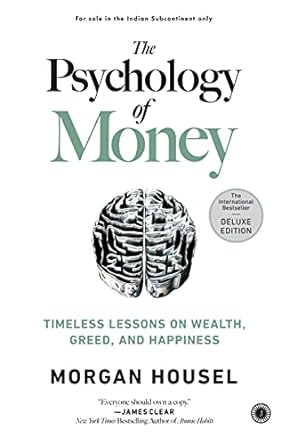
The Psychology of Money
Subject & College
Publish Date
2020-01-01
Published Year
2020
Publisher, Place
Total Pages
252
ISBN
978-93-90166-26-8
Format
Hardcover
Country
India
Language
English
Average Ratings
Readers Feedback
PYCHOLOGY OF MONEY
THE PSYCHOLOGY OF MONEY, BY MORGAN HOUSEL, IS A REFRESHING TAKE ON MANAGING MONEY AND MAINTAINING MONEY. UNLIKE OTHER BOOKS WHICH EXPLAINS ABOUT MONEY, THIS...Read More

SHILPA PAWAR
PYCHOLOGY OF MONEY
| THE PSYCHOLOGY OF MONEY, BY MORGAN HOUSEL, IS A REFRESHING TAKE ON MANAGING MONEY AND MAINTAINING MONEY. UNLIKE OTHER BOOKS WHICH EXPLAINS ABOUT MONEY, THIS BOOK TALKS LESS ABOUT MONEY AND STRATEGIES AND TALKS MORE ABOUT HOW WE THINK AND FEEL ABOUT MONEY. THE AUTHOR OF THIS BOOK, HOUSEL THINKS THAT OUR BEHAVIOUR AND MINDSET PLAYS A VERY VITAL ROLE IN ONE’S FINANCIAL SUCCESS THAN THE TECHNICAL KNOWLEDGE THEY GET FROM ELDERLY PEOPLE AND INTERNET. HOUSEL, THROUGH A COLLECTION OF SHORT AND QUIET INTERESTING STORIES, EXPLAINS US WHY UNDERSTANDING AND CONTROLING EMOTIONS AND HABITS IS THE KEY TO MANAGING MONEY WHICH WILL LEAD A FINANCIAL SUCCESS IN ONE’S LIFE. ONE OF THE KEY IDEAS IN THIS BOOK IS THAT PEOPLE’S EXPERIENCE DETERMINES WHAT THEY BELIEVE ABOUT MONEY. FOR EXAMPLE, IF A CHILD GROWING UP IN ECONOMICAL WEAK BACKGROUND OR FAMILY WILL THINK TWICE BEFORE USING HIS MONEY LUXURIOUSLY, ON THE OTHER HAND, CHILD OF A PARENTS WHO ARE ECONOMICALY RICH COULD TAKE GREATER RISKS WITH HIS EARNINGS. HOUSEL IS SUCH A GOOD WRITER , HE SPEND OVER 10 YEARS RESEARCHING AND WRITING THIS BOOK. THE ONE LINE WHICH HIT ME DEEP IN THIS BOOK IS “ WHAT MAKES SENSE TO ONE PERSON MIGHT NOT MAKE SENSE ANOTHER BECAUSE EVERYBODYS RELATIONSHIP WITH MONEY IS DIFFERENT. HIS WRITING IS SO GOOD. HE USES SIMPLER WORDS FOR COMPLECATED TOPICS AND AREAS WHICH EVEN A TEENGER LIKE ME CAN READ. HE SHARES REAL LIFE STORIES TO EXPLAIN HIS POINTS. THE BOOK HAS 20 CHAPTERS, DIVIDED IN SPECIFIC LESSONS. ONE CHAPTER “GETTING WEALTHY VS STAYING WEALTHY” IS THE LESSON I LIKE THE MOST WHICH HIGHLIGHTS THE DIFFERENCE BETWEEN BULIDING WEALTH AND KEEPING IT. ONE HAS TO TAKE RISKS TO BUILD SATISFACTORY WEALTH BUT KEEPING IT ASKS FOR CAUTION AND CALMNESS. |
| ANOTHER THEME OF THE BOOK IS THAT THE PERSONAL FINANCE IS LIKE DEEPLY PERSONAL. HOUSEL ENCOURAGES READERS TO FOCUS ON WHAT WORKS FOR THEM INSTEAD OF COMPARING THEMSELVES TO OTHERS. THIS IS VERY CLEVERLY SAID FOR A WORLD LIKE TODAY WHERE SOCIAL MEDIA OFTEN CREATES PREESURE TO LIVE UP TO UNREALISTIC STANDARD.
IN CONCLUSION, PSYCHOLOGY OF MONEY IS A VERY CHEERYFULL, REFRESHING, CLEVERLY WRITTEN AND EASY TO UNDERSTAND THAT OFFERS TIMELESS LEESONS ABOUT LIFE AND MONEY. THE MAIN MESSAGE OF THIS STORY IS—MANAGING MANEY IS MORE ABOUT BEHAVIOR THAN KNOWLEDGE—IS BOTH SIMPLE AND CLEVER. WHEATHER YOU ARE NEW TO PERSONAL FINANCE OR LOOKING TO IMPROVE YOUR DAILY HABITS. THIS BOOK IS AN EXCELLENT GUIDE TO BUILDING A BETTER RELATIONSHIP WITH MONEY. |


SHILPA PAWAR
The Psychology of Money
Reviewer Name : Deore Tushar Himmat ( FY B PHARMACY) Dr. Vithalrao Vikhe Patil Foundation's College of Pharmacy, Ahilyanagar The Psychology of Money by Morgan...Read More

Saikh Jishan Muktar
The Psychology of Money
Reviewer Name : Deore Tushar Himmat ( FY B PHARMACY)
Dr. Vithalrao Vikhe Patil Foundation’s College of Pharmacy, Ahilyanagar
The Psychology of Money by Morgan Housel
Morgan Housel’s The Psychology of Money provides a unique and
insightful look into the intricacies of how people relate to money by
seeking to understand the underlying psychological aspects behind
financial decisions. This book is not merely focused on acquiring wealth
or investment tactics, but a serious consideration on how emotions,
biases, and life experiences influence an individual’s financial actions on
a personal level.
~Key Thoughts.
• Money is Emotional, Not Logical
Housel asserts that logical thinking is highly uncommon when engaging
in a financial decision. Such decisions tend to rely heavily on an
individual’s personal context, such as their background, family, and
social environment. Housel also dismantles the idea that sheer
intelligence will be sufficient to beat the market, pointing to the fact that
behavioral strategy is far more important than theoretical knowledge
alone.
• Luck and Risk Inhere in Every Action
The book has abundant illustrations as to how achieving success in
financial-related issues for most of the time requires both luck and
subsequent actions. Nevertheless, in some cases, failure can also be
attributed to the risks that were taken but didn’t work. Housel reminds
his audience that life is so unpredictable that it is powerfully sustaining
to be modest and circumspect.
• Every Win Requires Time
The book repeatedly refers to compounding. Theo explains the graph
how challenging patience can amplify wealth alongside long term
thinking. One of his key remarks is that investing is all about being ready
for a longer time horizon, rather than trying to spot instant payoffs in five
to ten years.
• Defining Wealth Personally
One of the standout insights is the distinction between wealth and riches.
Housel redefines wealth as the ability to control time and live life on
your own terms, rather than simply accumulating material possessions or
external validation.
• Avoiding Comparison
Comparing yourself to others is a financial trap. Housel advises focusing
on your own goals and circumstances rather than competing with others,
as this can lead to unnecessary risks or dissatisfaction.
• Save More, Spend Thoughtfully
The book advocates for financial resilience by living below your means
and saving not just for specific goals but also for flexibility and
unexpected challenges.
• Strengths
– Relatable Storytelling: Housel uses anecdotes, personal stories, and
historical examples to make abstract financial concepts relatable and
engaging.
– Psychological Depth: The book’s focus on behavior over spreadsheets
makes it accessible to a broad audience, including those without a
financial background.
– Timeless Wisdom: Unlike many finance books that are heavily tied to
current market conditions, this book offers principles that remain
relevant over time.
• Criticisms
– Lack of Technical Detail: Readers looking for detailed investment
strategies or market analysis might find the book lacking in actionable
advice.
– Repetition of Ideas: Some concepts are repeated throughout the book,
which can feel redundant to certain readers.
• Who Should Read This Book?
– Beginners who want an approachable introduction to financial literacy.
– Anyone interested in understanding the psychological aspects of money
management.
– Readers who prefer big-picture financial principles over technical
advice.
• Final Thoughts
The Psychology of Money is a must-read for anyone seeking a deeper
understanding of how emotions and behavior impact financial success.
Housel’s ability to blend psychology with personal finance creates a
compelling narrative that resonates with both novice and experienced
readers. It’s a book that encourages introspection, helping readers align
their financial habits with their values and goals.
Thank you
Deore Tushar Himmat ( FY B PHARMACY)
Saikh Jishan Muktar , Sinhgad Academy of Engineering, Kondhwa bk. Pune
द साइकॉलजी ऑफ मनी” – मोर्गन हाउज़ल द्वारा
मोर्गन हाउज़ल की लिखी हुई किताब “द साइकॉलजी ऑफ मनी” एक ऐसी मास्टरपीस है जो
पैसा, वित्तीय निर्णय और इंसानी व्यवहार के बीच के गहरे संबंध को एक्सप्लोर करती है। यह
किताब एक सरल लेकिन गहन कॉन्सेप्ट पर आधारित है: पैसे को समझने के लिए मैथ्स या
इकोनॉमिक्स की थ्योरी से ज्यादा जरूरत इंसानी नेचर को समझने की है।
हाउज़ल ने अपनी इस किताब में 20 शॉर्ट स्टोरीज के जरिए फाइनेंस और इन्वेस्टिंग के ऐसे
पहलुओं को समझाया है जो अक्सर ओवरलुक किए जाते हैं। ये स्टोरीज रियल-लाइफ
एक्सपीरियंस और एनकडोट्स के माध्यम से बताती हैं कि कैसे लोग अपने वित्तीय निर्णय लेते
हैं और कैसे इन निर्णयों में लॉजिक से ज्यादा इमोशंस, बायस और व्यक्तिगत जीवन के अनुभवों
का प्रभाव होता है।
एक प्रमुख अवधारणा जो हाउसले चर्चा करते हैं वह है “भाग्य और जोखिम”। उन्होंने बताया
कि वित्तीय सफलता में सिर्फ मेहनत नहीं, बल्कि किस्मत का भी बहुत बड़ा रोल होता है।
लेकिन, लोग अक्सर अपनी सफलता का पूरा श्रेय खुद लेते हैं और दूसरों की सफलता को
किस्मत का नाम देते हैं। इसी तरह, वह हमें यह भी समझाते हैं कि जोखिम लेना ज़रूरी है,
लेकिन उसका अंदाज़ा लगाना और उससे बचने की तैयारी भी उतनी ही ज़रूरी है।
एक और दिलचस्प विचार जो मुझे बहुत आकर्षक लगा, वह था “बचत का महत्व”। हाउसले
कहते हैं कि लोग अक्सर बचत को कम आंकते हैं, लेकिन धन बनाने का सबसे आसान और
प्रभावशाली तरीका है अपनी आय का एक हिस्सा बचाना। यहाँ, उन्होंने यह बिंदु किया कि
बचत काफी हद तक स्वतंत्रता और लचीलापन का दूसरा नाम है। जब आपके पास बचत होती
है, तब आपके पास निर्णय लेने की आज़ादी और गलतियों को सुधारने का समय होता है।
हॉसल के इनसाइट्स पैसा कमाने से ज्यादा उसे संभालने पर फोकस करते हैं। एक और
कॉन्सेप्ट जो मुझे resonate किया वो है “काफी” का आइडिया। इंसान की लालच कभी खत्म
नहीं होती, और अक्सर लोग अपने लिए क्या “काफी” है, इस बात को डिफाइन नहीं करते।
इस चक्कर में वो ज्यादा पैसा कमाने की कोशिश में अपनी हेल्थ, रिलेशनशिप्स और पीस को
दांव पर लगा देते हैं। हॉसल समझाते हैं कि “कब रुकना है” इस सवाल का जवाब ढूंढना उतना
ही जरूरी है जितना कि पैसा कमाना।
उन्होंने एक और प्रैक्टिकल एडवाइस दी जो मुझे बहुत रिलेटेबल लगी: “लॉन्ग-टर्म थिंकिंग”।
इन्वेस्टिंग और फाइनेंशियल डिसीजन लेने में शॉर्ट-टर्म डिस्ट्रैक्शंस से बचा जाए और अपनी
डिसीजन को लॉन्ग-टर्म गोल्स से अलाइन किया जाए। अक्सर लोग एक दिन या एक साल की
गेन पर फोकस करते हैं, लेकिन हॉसल कहते हैं कि असली सक्सेस तब आती है जब आप पेशेंस
रखें और कंपाउंड इंटरेस्ट को आपका काम करने दें।
यह किताब एक बहुत ही सरल और संवादात्मक भाषा में लिखी गई है, जिसमें जटिल वित्तीय
अवधारणाओं को सबको समझ में आने वाले रूप में समझाया गया है। मुझे इस किताब का यह
पहलू सबसे ज्यादा पसंद आया कि यह सिर्फ वित्तीय ज्ञान नहीं देती, बल्कि एक मानसिकता
विकसित करने की ओर प्रेरित करती है।
अगर आप एक छात्र हैं, एक पेशेवर हैं या एक रिटायर हैं, इस किताब में हर किसी के लिए कुछ
न कुछ मूल्यवान है। हाउसल का यह संदेश कि “वित्तीय सफलता इस बात पर निर्भर नहीं
करती कि आप कितने स्मार्ट हैं, यह इस बात पर निर्भर करती है कि आप कैसे व्यवहार करते
हैं” हर एक को सोचने पर मजबूर करता है।
आखिर में, “द साइकॉलॉजी ऑफ मनी” एक ऐसी किताब है जो आपके वित्तीय दृष्टिकोण को
बदलने की शक्ति रखती है। यह न केवल पैसा प्रबंधित करने की बातें सिखाती है, बल्कि जीवन
के हर पहलू में संतुलन और माइंडफुलनेस का महत्व समझाती है। अगर आप पैसा और मानव
व्यवहार के बीच की मनोविज्ञान को खोजने चाहते हैं, तो यह किताब एक अनिवार्य पढ़ाई है।