
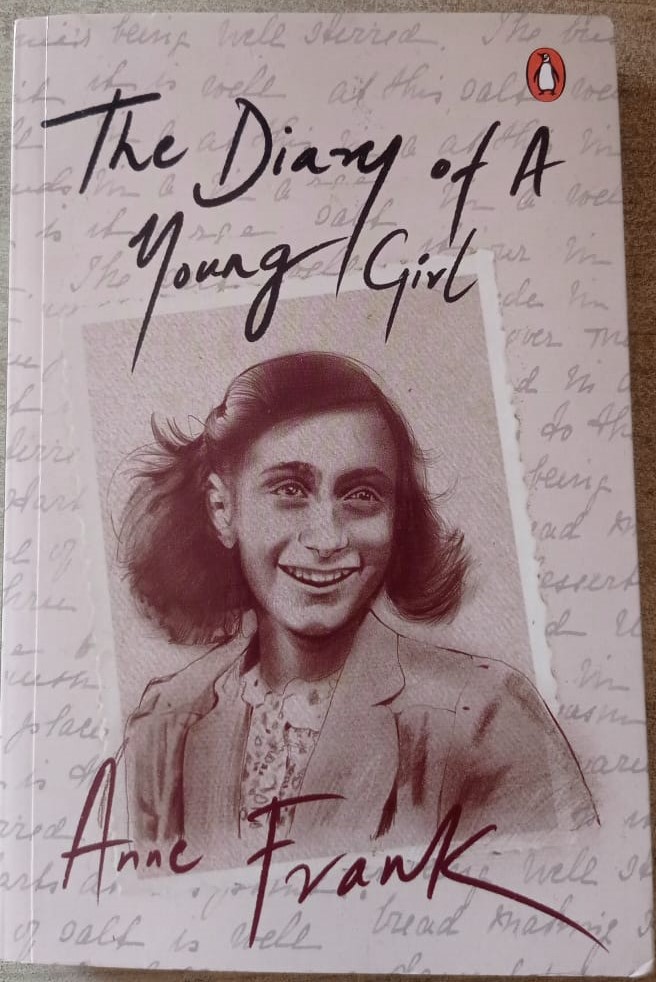
College Name: Smt. Kashibai Navale College of Architecture
Anne Frank’s *The Diary of a Young Girl* is a firsthand account of her life during World War II, written while she was in hiding from the Nazis. Anne, a Jewish teenager, begins her diary on June 12, 1942, shortly after her 13th birthday. She names the diary “Kitty” and writes about her everyday experiences, thoughts, and emotions as she navigates adolescence amidst the growing threat of persecution. In July 1942, Anne and her family—her father Otto, mother Edith, and sister Margot—go into hiding in a secret annex behind Otto Frank’s office building. They are soon joined by the Van Pels family (Hermann, Auguste, and their son Peter) and later by Fritz Pfeffer, a dentist. Over the next two years, they live in constant fear of discovery, relying on the help of trusted friends who provide them with food and supplies. The diary captures the dynamics of life in the annex, including tensions, arguments, and moments of camaraderie among the residents. Anne’s writing reveals her frustrations with her mother, her evolving feelings for Peter Van Pels, and her longing for independence and self-expression. As she matures, Anne reflects on deeper topics, such as human nature, morality, and her aspirations to become a writer. Despite the cramped conditions and the ever-present fear of being discovered, Anne remains hopeful, believing in the goodness of humanity and dreaming of a brighter future. However, the diary abruptly ends on August 1, 1944, when the annex is raided by the Gestapo. Anne and the others are arrested and sent to concentration camps. Anne Frank died of typhus in Bergen-Belsen in 1945, just weeks before the camp was liberated. Her father, Otto Frank, the sole survivor of the annex, later published her diary, ensuring Anne’s voice and story would reach the world. *The Diary of a Young Girl* is a powerful testament to resilience, humanity, and the enduring impact of hope in the face of unimaginable adversity. trengths: 1. Authenticity and Emotional Depth: – As a real diary written by a teenage girl during the Holocaust, Anne Frank’s voice is raw, genuine, and poignant. The personal perspective humanizes the historical tragedy, making it accessible and relatable. 2. Insightful Reflection: – Anne’s introspections about human nature, identity, and morality transcend her age, offering timeless wisdom and maturity that resonates with readers of all backgrounds. 3. Universal Themes: – Themes of hope, resilience, love, fear, and the loss of innocence are explored through Anne’s observations, making the book a powerful account of human endurance. 4. Unique Perspective: – The book provides an intimate, day-to-day look at life in hiding, offering readers an understanding of the psychological toll of living under constant threat.